
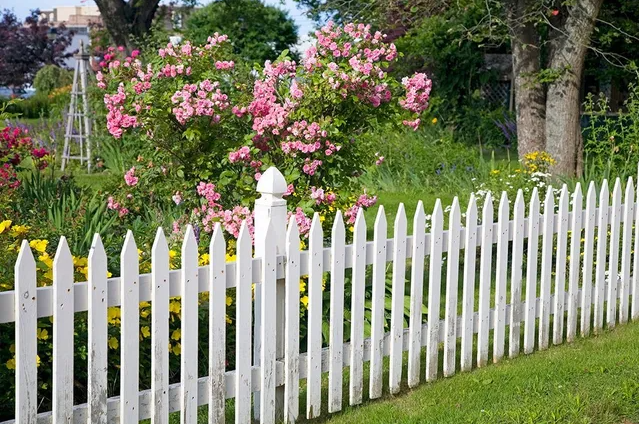
Selecting the right aluminum fence is not just a design decision—it is an investment in security, safety, and long-term value. Fence height, spacing, and safety standards play a decisive role in how effectively a fencing system protects property, defines boundaries, and enhances overall appearance. Whether for residential communities, commercial developments, or industrial facilities, a well-designed aluminum fencing solution combines reliable performance with modern, clean aesthetics. As a professional aluminum fence manufacturer, FOSHAN JHR is committed to helping customers choose fencing systems that deliver both visual impact and dependable functionality.
With the growing demand for durable, low-maintenance perimeter solutions, aluminum fencing has become a preferred choice across global markets. Its corrosion resistance, lightweight structure, and long service life make it ideal for projects that require consistent performance under varying environmental conditions. However, not all aluminum fences perform the same. A fence that looks attractive on the surface may fall short in security, safety compliance, or long-term durability if key design factors are overlooked. Height that is improperly selected can weaken perimeter protection, while incorrect spacing may create safety risks or fail to meet regulatory requirements. These details directly affect not only daily use, but also future maintenance costs, legal compliance, and overall project credibility.
Making the right choices at the planning stage ensures that an aluminum fencing system works as intended from day one. Residential fencing often seeks a balance between openness and protection, pool fencing must strictly follow child-safety regulations, and commercial or industrial fencing demands stronger deterrence and access control. At the same time, international safety standards and local building codes set clear expectations that must be met, especially for export projects. By understanding how aluminum fence height, spacing, and safety standards work together, project owners can avoid costly mistakes and achieve a solution that is safe, compliant, and built to last. This guide will help you navigate the key considerations and select an aluminum fencing system that not only meets technical requirements, but also adds lasting value to your project.
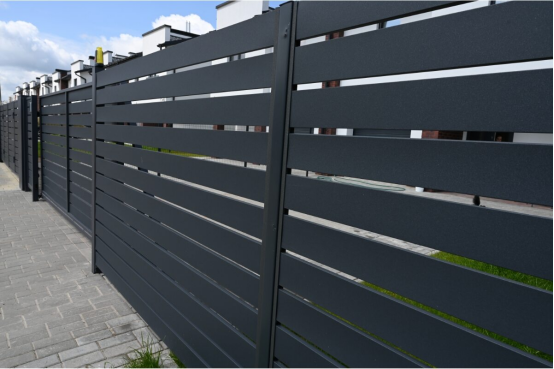
Why Aluminum Fencing Is Chosen for Modern Projects
Aluminum fencing has become the preferred alternative to traditional steel and iron fences across global markets. One of the main reasons is its excellent corrosion resistance. Unlike steel, aluminum does not rust, making it particularly suitable for outdoor environments, coastal regions, and areas with high humidity. At the same time, aluminum offers a strong strength-to-weight ratio, which allows fence systems to remain lightweight while still providing reliable structural performance.
From a long-term cost perspective, aluminum fencing requires significantly less maintenance than iron or steel fencing. There is no need for frequent repainting or rust treatment, and high-quality powder-coated aluminum fences can maintain their appearance for many years. These advantages make aluminum fencing a practical and cost-effective solution for residential aluminum fences, commercial perimeter fencing, pool safety fencing, and industrial security fences. In addition, aluminum fence systems can be easily customized to suit different architectural styles, helping projects achieve both functional and visual goals.
Choosing the Proper Fence Height for Different Applications
Fence height is one of the most critical factors when planning an aluminum fencing system. The appropriate height depends largely on the intended application of the fence, the desired level of security or privacy, and local building or safety regulations. For decorative garden fencing or landscape boundaries, aluminum fence heights between 900mm and 1200mm are commonly selected. These heights help define spaces without blocking views, maintaining an open and welcoming appearance.
For residential boundary fencing, aluminum fence heights typically range from 1500mm to 1800mm. This range provides a good balance between privacy, safety, and neighborhood-friendly design. It is high enough to clearly mark property boundaries and deter casual access, while still blending well with surrounding residential architecture. In contrast, projects that require a higher level of protection—such as commercial buildings, office parks, warehouses, factories, and logistics centers—often use aluminum fence heights of 1800mm to 2100mm or higher. Taller fences create a stronger visual and physical barrier, improving perimeter security and access control.
Aluminum pool fencing deserves special attention, as it is subject to strict safety standards in many countries. Pool fences are designed primarily to prevent accidental access by children, and regulations commonly specify a minimum fence height between 1200mm and 1800mm. Selecting the correct aluminum fence height for pool applications is essential not only for safety, but also for regulatory compliance, insurance requirements, and long-term risk management.
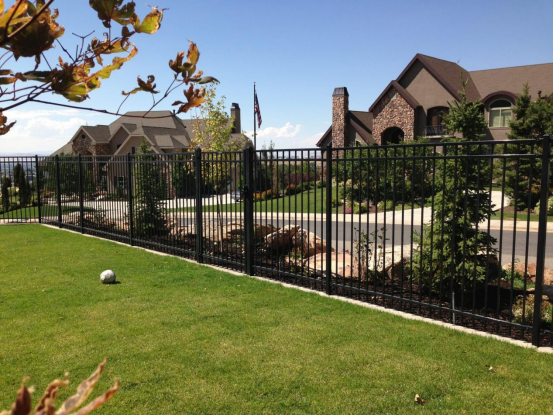
Aluminum Fence Spacing, Design, and Safety Considerations
In addition to height, aluminum fence spacing plays a key role in overall safety and performance. Fence spacing refers to the distance between vertical pickets or slats, and it directly affects child safety, anti-climb capability, visibility, and airflow. Most international safety standards require that a 100mm sphere must not be able to pass through the fence, ensuring that children cannot squeeze between pickets or become trapped.
As a result, standard aluminum fence picket spacing generally falls between 80mm and 110mm, depending on the specific application. Residential and decorative aluminum fences may use slightly wider spacing to maintain a lighter visual effect, while pool fences and security fences typically require tighter spacing to meet safety regulations. Vertical aluminum fence designs are widely favored in safety-focused projects because they are difficult to climb and easier to certify under international standards.
Horizontal aluminum slat fences have become increasingly popular in modern residential and architectural projects. They offer enhanced privacy and a clean, contemporary appearance, making them attractive for villas, townhouses, and commercial buildings. When engineered correctly, horizontal aluminum fencing can still meet safety and spacing requirements while delivering strong visual appeal. This is where professional design and manufacturing experience become essential, as spacing, slat size, and installation details must be carefully controlled.
Aluminum Fence Safety Standards and Regulatory Compliance
Safety standards are a critical consideration when selecting aluminum fencing, particularly for export projects and public facilities. Depending on the target market, aluminum fence systems may need to comply with European EN standards, American ASTM standards, Australian AS standards, or other local building codes. These standards typically address structural strength, wind load resistance, durability, and safety performance.
For applications such as schools, public spaces, residential communities, and swimming pools, compliance with child safety and anti-climb regulations is especially important. Certified aluminum fencing systems are tested under controlled conditions to ensure reliable performance in real-world environments. Working with an experienced aluminum fence manufacturer helps reduce compliance risks and ensures that your fencing solution meets all necessary regulatory requirements from the design stage through installation
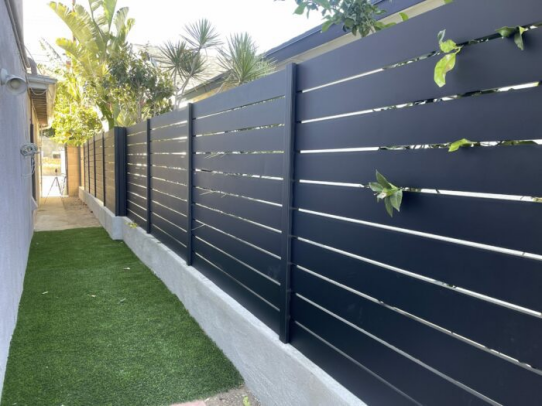
Fence Spacing, Design Details, and Safety Performance
A high-quality aluminum fence is not defined by panels alone. Fence posts, connectors, gates, and installation methods all play an important role in the overall performance of the system. Strong aluminum fence posts, whether embedded in concrete or mounted using base plates, provide essential support and stability. Proper post spacing, reinforced aluminum profiles, and the use of stainless steel hardware contribute to long-term durability and structural reliability.
Fence spacing is a key design element that directly affects both safety performance and visual balance. Correct spacing between posts and pickets ensures uniform load distribution across the entire fence line, reducing stress concentration and improving resistance to wind pressure and external impact. In safety-sensitive applications, such as residential communities, schools, and pool enclosures, well-controlled spacing also helps prevent climbing, entrapment, or unauthorized access, supporting compliance with child safety standards.
Design details further influence how effectively a fence performs over time. Smooth edge finishing, concealed fasteners, and precision welding or mechanical connections improve both safety and appearance while minimizing maintenance requirements. The integration of matching gates, hinges, and locking systems ensures consistent spacing and alignment throughout the perimeter, preventing weak points that could compromise security.
From an engineering perspective, careful coordination between spacing, structural design, and installation accuracy is essential. When these elements are properly designed and executed, an aluminum fence system delivers reliable safety performance, structural stability, and long-term value across a wide range of residential, commercial, and industrial applications.
Modern aluminum fencing systems are highly customized
Safety standards are a critical consideration when selecting aluminum fencing, particularly for export projects and public facilities. Depending on the target market, aluminum fence systems may need to comply with European EN standards, American ASTM standards, Australian AS standards, or other local building codes. These standards typically address structural strength, wind load resistance, durability, and overall safety performance under different environmental conditions.
For applications such as schools, public spaces, residential communities, and swimming pools, compliance with child safety and anti-climb regulations is especially important. Requirements often specify minimum fence heights, maximum picket spacing, and design features that prevent footholds or handholds. Certified aluminum fencing systems are tested under controlled conditions to ensure reliable performance in real-world environments, including long-term exposure to wind, rain, UV radiation, and daily use.
Working with an experienced aluminum fence manufacturer helps reduce compliance risks and ensures that your fencing solution meets all necessary regulatory requirements from the design stage through installation. Professional manufacturers can also provide technical drawings, test reports, and certification support, helping projects move smoothly through approval, inspection, and final acceptance.
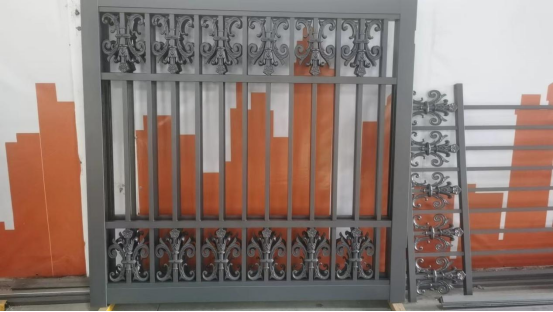
Selecting the right aluminum fence height, spacing, and safety standards is essential for creating a fencing system that is secure, compliant, durable, and visually appealing. By understanding how these factors work together and by choosing a professional aluminum fence manufacturer with proven experience, project owners and developers can achieve long-term performance and peace of mind.
Whether for residential, commercial, or industrial applications, aluminum fencing remains one of the most reliable and future-proof perimeter solutions available today. If you are looking for a trusted aluminum fence supplier, FOSHAN JHR offers a full range of aluminum fences, aluminum gates, sliding gates, pedestrian gates, and customized perimeter solutions. Our professional team is ready to support your next project with high-quality products and dependable service.