
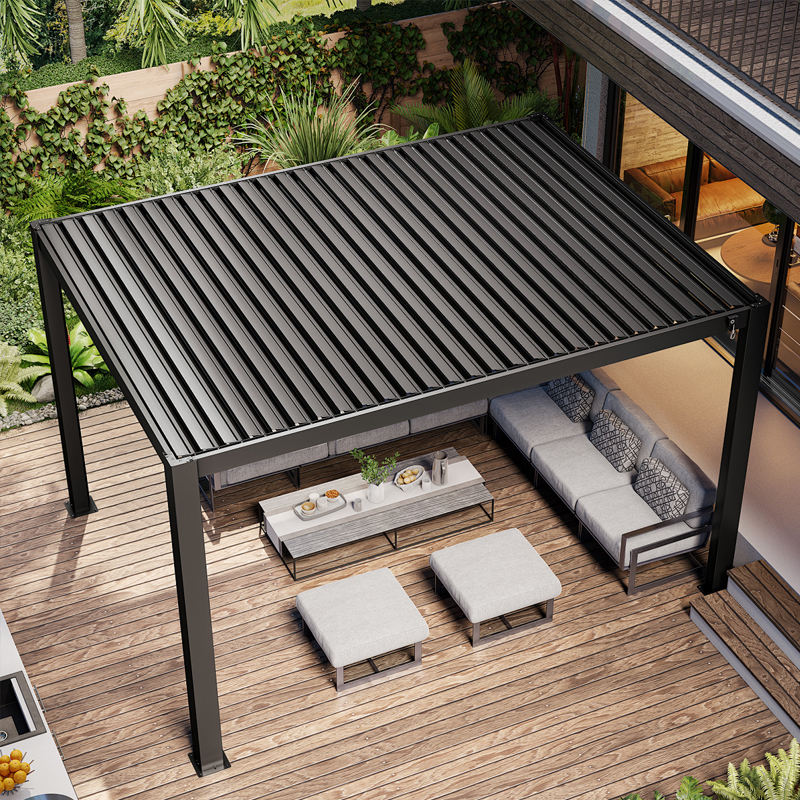
When planning a sunroom, material selection is one of the most critical decisions you’ll make. The right material affects not only the appearance of the sunroom, but also its durability, maintenance cost, thermal performance, and long-term value.
In this article, we’ll compare aluminum sunrooms, steel sunrooms, and wood sunrooms in detail to help you choose the best solution for residential and commercial projects. As a professional aluminum sunroom manufacturer, JHR also shares practical insights from real projects worldwide.
Why Sunroom Material Choice Matters
A sunroom is constantly exposed to sunlight, rain, wind, humidity, and temperature changes. Poor material selection can lead to corrosion, deformation, high maintenance costs, or even safety risks.
When choosing sunroom materials, you should consider:
Structural strength
Weather resistance
Maintenance requirements
Design flexibility
Cost over the product’s lifetime
Let’s take a closer look at the three most common sunroom materials.
Aluminum Sunrooms: Modern, Durable, and Low Maintenance
Aluminum sunrooms have become the most popular choice in modern architecture, especially for villas, residential extensions, cafés, and commercial outdoor spaces.
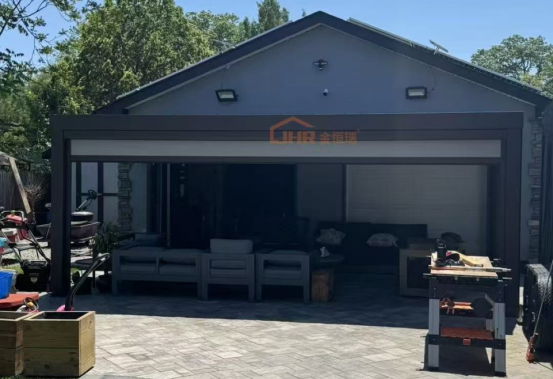
Key Advantages of Aluminum Sunrooms
1. Excellent corrosion resistance
High-quality aluminum alloy (such as 6063-T5) naturally resists rust and corrosion. With powder coating or anodized finishes, aluminum sunrooms perform exceptionally well in coastal, rainy, or high-humidity environments.
2. Lightweight yet strong structure
Compared with steel, aluminum offers high strength with lower weight, reducing foundation load and simplifying installation.
3. Minimal maintenance
Aluminum does not rot, crack, or warp. Routine cleaning is usually enough, making it ideal for long-term use.
4. Design flexibility
Aluminum profiles can be customized into various shapes and sizes. Modern aluminum sunrooms support:
Flat roofs or sloped roofs
Sliding glass walls
Louvered or insulated roof systems
Integrated lighting, drainage, and shading systems
5. Cost-effective over time
Although initial cost may be slightly higher than basic steel, aluminum sunrooms offer lower maintenance and longer service life.
Recommended for:
Modern homes, villas, hotels, cafés, restaurants, and long-term outdoor structures.
Steel Sunrooms: Strong but High Maintenance
Steel sunrooms are known for their high load-bearing capacity and are sometimes used in large-span or industrial-style structures.
Pros of Steel Sunrooms
Very high structural strength
Suitable for large spans or heavy roof loads
Industrial aesthetic appeal
Limitations of Steel Sunrooms
1. Corrosion risk
Steel is prone to rust if surface treatment is damaged. Even with galvanization or painting, long-term exposure increases maintenance costs.
2. Heavy weight
Steel structures require stronger foundations and more complex installation.
3. Limited design options
Compared with aluminum, steel offers less flexibility for refined or minimalist designs.
4. Higher lifecycle cost
Frequent repainting and anti-rust treatment add to long-term expenses.
Recommended for:
Industrial-style projects or applications requiring extremely high load capacity.
Wood Sunrooms: Natural Beauty with Ongoing Care
Wood sunrooms offer a warm, natural appearance that blends well with traditional architecture and garden landscapes.
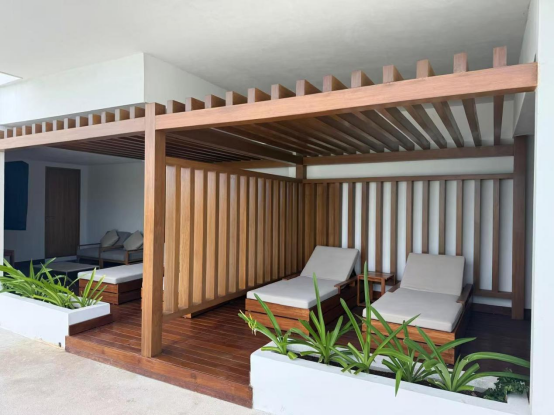
Advantages of Wood Sunrooms
Natural and elegant visual appeal
Good thermal insulation performance
Custom craftsmanship for classic designs
Drawbacks of Wood Sunrooms
1. High maintenance requirements
Wood requires regular painting, sealing, and protection against moisture, insects, and UV exposure.
2. Susceptibility to climate conditions
In humid or hot climates, wood can warp, crack, or decay.
3. Shorter lifespan
Compared with aluminum, wood structures typically have a shorter service life outdoors.
Recommended for:
Low-humidity regions, traditional homes, and projects where appearance outweighs maintenance concerns.
Why Aluminum Is the Best Choice for Most Projects
For most modern sunroom applications, aluminum sunrooms provide the best balance of strength, durability, aesthetics, and cost efficiency.
At JHR, we specialize in customized aluminum sunroom systems designed for different climates and architectural styles. Our solutions support:
Customized sizes and layouts
Multiple color options
Integrated glass systems
Motorized shading and ventilation
Wind-resistant structural design
Whether for residential villas or commercial outdoor spaces, aluminum sunrooms deliver long-term value with minimal maintenance.
Conclusion: Choose Smart, Choose Long-Term Value
Choosing the right sunroom material is an investment decision. While steel and wood have their own advantages, aluminum sunrooms stand out as the most practical and future-proof solution for most projects.
If you’re planning a sunroom project and need professional advice or customized aluminum sunroom solutions, contact JHR today. Our engineering team is ready to support your project from design to delivery.