
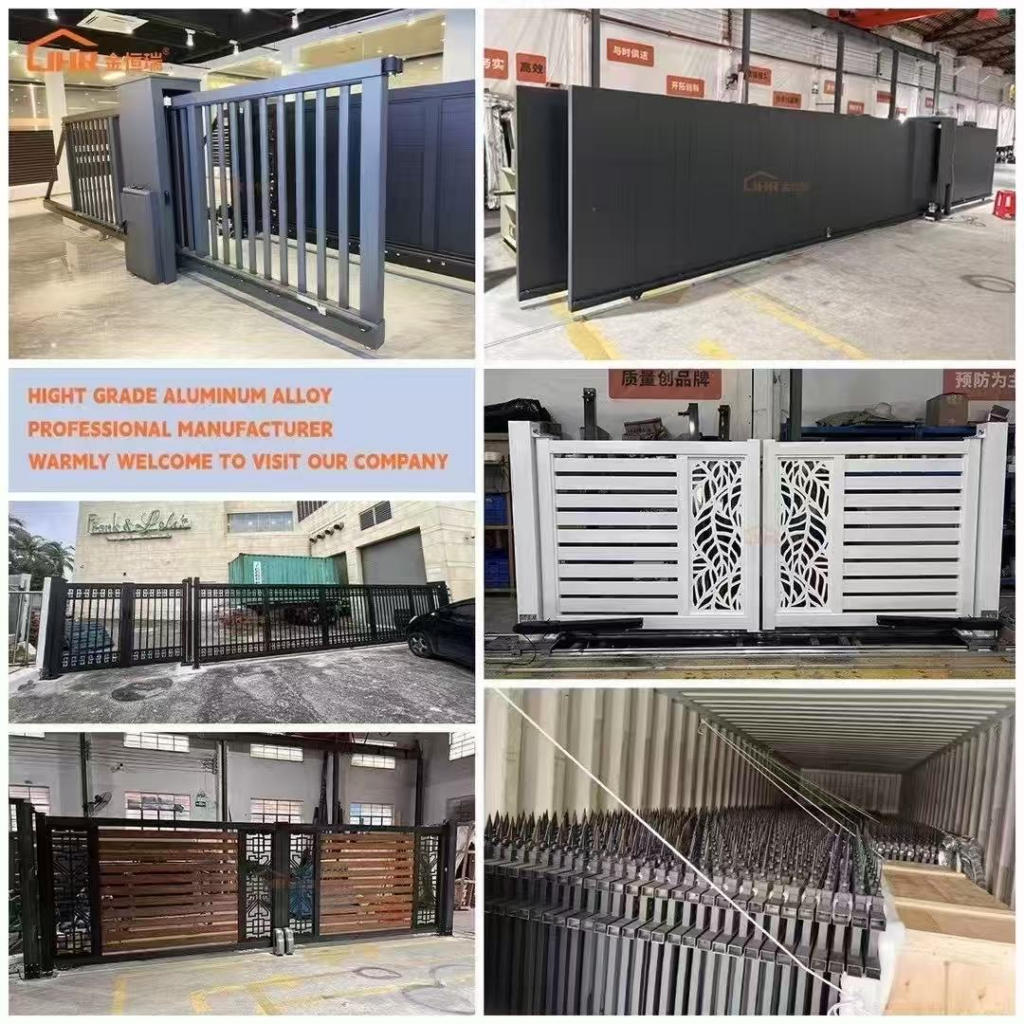
Choosing the right gate system is a critical decision for any residential, commercial, or industrial project. It impacts security, daily convenience, curb appeal, and long-term maintenance costs. Among the most popular and reliable options are Sliding Gates, Cantilever Gates, and Swing Gates. However, the “best” choice isn’t universal—it depends heavily on your specific site conditions, available space, and functional priorities.
At JHR, we specialize in engineering and manufacturing premium aluminum gate systems. Beyond supplying products, we provide consultative support to ensure the solution fits the site perfectly. This guide breaks down the key characteristics, advantages, and crucial site requirements for each type to help you make an informed decision.
Part 1: Sliding Gates – The Space-Efficient Performer
How It Works: A sliding gate operates by moving horizontally along a ground-mounted track, supported by heavy-duty rollers.
Key Advantages:
Optimal for Limited Lateral Space: Ideal where there is no room for a gate to swing inward or outward. It only requires space along the fence line for the gate to slide open.
Suitable for Wide Openings: Excellent for wide driveways, as the gate’s weight is evenly distributed on the track.
Robust and Secure: When closed, it typically sits against a sturdy stopping post, offering a solid barrier.
Critical Site Assessment Checklist (The “Must-Check” List):
1. Sufficient “Run-Back” or “Parking” Space: Is there enough unobstructed space along the fence line to accommodate the entire width of the gate leaf when open? This is the most crucial factor.
2. Ground Track Viability: Is the ground along this run-back area reasonably level and stable? A sliding gate requires a solid foundation for its track. Significant slopes or soft, uneven ground may require extensive preparation.
3. Track Maintenance Consideration: The exposed track can potentially accumulate debris, leaves, or ice, requiring occasional cleaning for smooth operation.
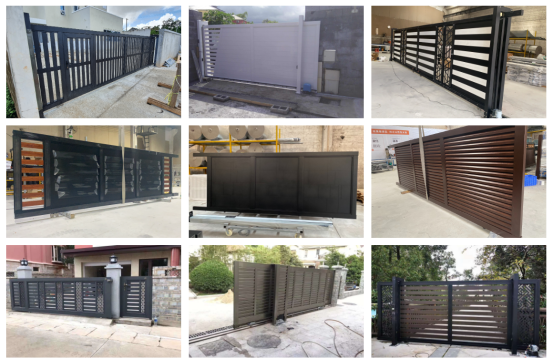
Part 2: Cantilever Gates – The Track-Free Heavy-Duty Solution
How It Works: A cantilever gate also slides open but does not use a ground track. Instead, it is supported by a series of rollers attached to a robust post, and the gate “cantilevers” or floats as it moves.
Key Advantages:
No Ground Track: The definitive advantage. Eliminates problems with snow, ice, gravel, or debris blocking the track. Ideal for areas with harsh weather or loose surfaces.
Excellent for Sloping or Uneven Ground: Since it doesn’t rely on a ground track, it can be installed on sites with minor slopes without complex ground leveling.
Low Ground Maintenance: No track to clean, resulting in lower long-term maintenance.
Smooth, Heavy-Duty Operation: Designed to handle very large and heavy gates smoothly.
Critical Site Assessment Checklist:
1. Adequate “Over-Run” or “Cantilever” Space: Like sliding gates, sufficient space is needed along the fence line for the gate to open. Additionally, a strong supporting structure (the “cantilever post”) must be engineered to bear the gate’s weight in its open position.
2. Strong Post Foundation: The load-bearing posts require significant, reinforced concrete foundations to handle the leverage and weight. Site must allow for this construction.
3. Clearance Behind Fence Line: The gate’s horizontal support beams (the “cantilever arms”) extend behind the fence when closed. Ensure there is no obstruction in this zone.
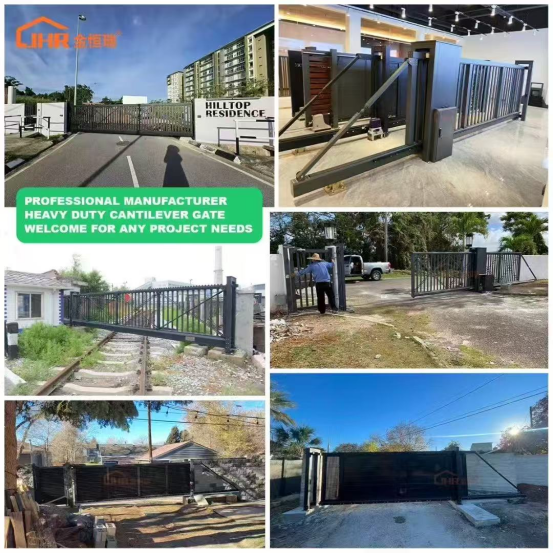
Part 3: Swing Gates – The Classic and Versatile Choic
How It Works: Swing gates operate like traditional doors, hinged on one side (single swing) or two (double swing), opening inward or outward.
Key Advantages:
Maximum Design Flexibility: Offers the widest range of aesthetic styles, from ornate to minimalist, and works well with various fencing types.
Generally Lower Initial Hardware Cost: The operating mechanism is often simpler than sliding/cantilever systems.
Ease of Manual Operation: Can be operated manually with relative ease if needed.
Simple Installation on Level Ground: The installation process is typically more straightforward if site conditions are favorable.
Critical Site Assessment Checklist:
1. Adequate “Swing Arc” Clearance: This is paramount. You must have ample space inside or outside the property line for the gate leaf to swing open fully and freely, without hitting obstacles, plants, buildings, or parked cars.
2. Level and Stable Ground at the Hinge Points: The gate’s performance and longevity depend on the posts being installed on stable, level ground. Any settling or shifting of the hinge post will cause the gate to sag and malfunction.
3. Direction of Swing: Decide whether the gate should swing inward or outward, considering driveway slope, snow accumulation, security, and local regulations.
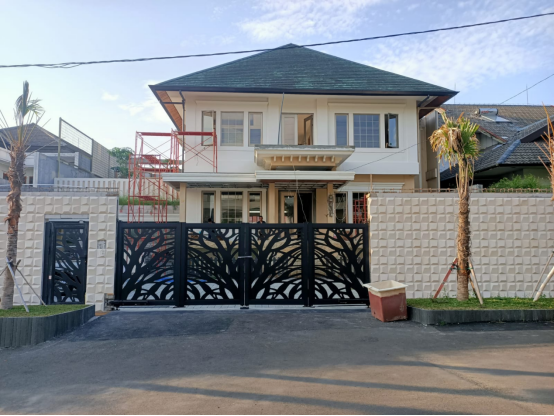
Conclusion: The Right Gate is the One That Fits Your Site
There is no single “best” gate—only the best gate for your specific project conditions. The decision should start with a thorough assessment of your site:
1. Map the available space (lateral vs. swing arc).
2. Evaluate the ground (levelness, stability, surface material).
3. Consider environmental factors (snow, debris, slope).
At JHR, we recommend a professional site evaluation before finalizing your choice. Our experts can help you verify the feasibility of each option based on your space constraints and ground conditions, ensuring the selected aluminum gate system—whether sliding, cantilever, or swing—delivers reliable performance, security, and style for years to come.